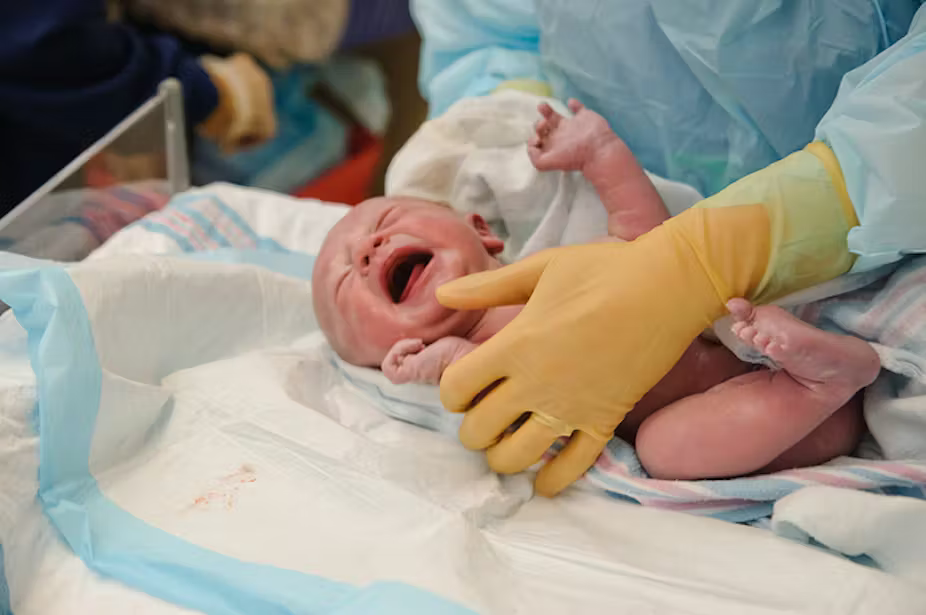
This piece lays out the bodily-integrity argument in its plainest form: the foreskin is healthy, functional, richly innervated tissue, and removing it from an infant is surgery performed on a patient who cannot agree.
History is full of practices once defended as hygienic or cultural — foot-binding, forehead-flattening — that we now recognise as harm dressed up as custom. Longevity is not the same as legitimacy.
AntiCirc's view: the case against routine infant circumcision doesn't depend on proving catastrophic injury in every case. It rests on a simpler principle — healthy, non-consenting bodies should be left intact, and the decision to permanently alter one belongs to the person who has to live in it.
Writing in The Conversation, ethicists set out the case against infant circumcision in its plainest form: the foreskin is healthy, functional, richly innervated tissue, and removing it from a baby is surgery performed on a patient who cannot agree. Strip away the cultural familiarity, the argument runs, and what remains is the permanent alteration of a child's genitals for reasons that are not his own.
What the foreskin actually is
Part of what makes the practice so normalised is how little most people know about the tissue being removed. The foreskin is not a vestigial flap. It is a substantial double layer of skin and mucosa — by some anatomical accounts a meaningful proportion of the penile skin system — carrying a dense supply of specialised nerve endings, and it has a mechanical role in how the intact penis moves and feels. Removing it is not like trimming a fingernail; it is the excision of healthy, working anatomy.
Custom is not consent
History is full of practices once defended as hygienic, respectable or culturally essential — foot-binding, forehead-flattening, and others — that later generations came to recognise as harm dressed up as tradition. The lesson the piece draws is that longevity is not legitimacy. That a practice is old, widespread and sincerely meant tells us why it persists; it does not tell us whether it should. The same societies that rightly prohibit any cutting of girls' genitals, however minor and whatever the cultural motivation, continue to permit the cutting of boys — an asymmetry that is increasingly hard to defend on principle.
Weighing benefit against harm
Defenders of routine circumcision point to potential medical benefits — reductions in certain infections, for instance. The Conversation's argument is that these gains are modest, often achievable by other means, and rarely materialise in the real world in a way that could justify pre-emptive surgery on a healthy infant — while the risks are immediate and the loss is permanent. Documented complications include bleeding, infection, skin bridges and adhesions, and in rarer cases serious injury. For a procedure performed on a patient who is not sick, the calculus looks very different from surgery that treats an actual disease.
Our view
The case does not depend on proving catastrophic injury in every instance — that bar is both unmeetable and beside the point. It rests on a simpler principle: healthy, non-consenting bodies should be left intact, and the decision to alter one permanently belongs to the person who will carry that body for life. Where there is no disease to treat, the autonomy-preserving default is to wait — and let him decide.