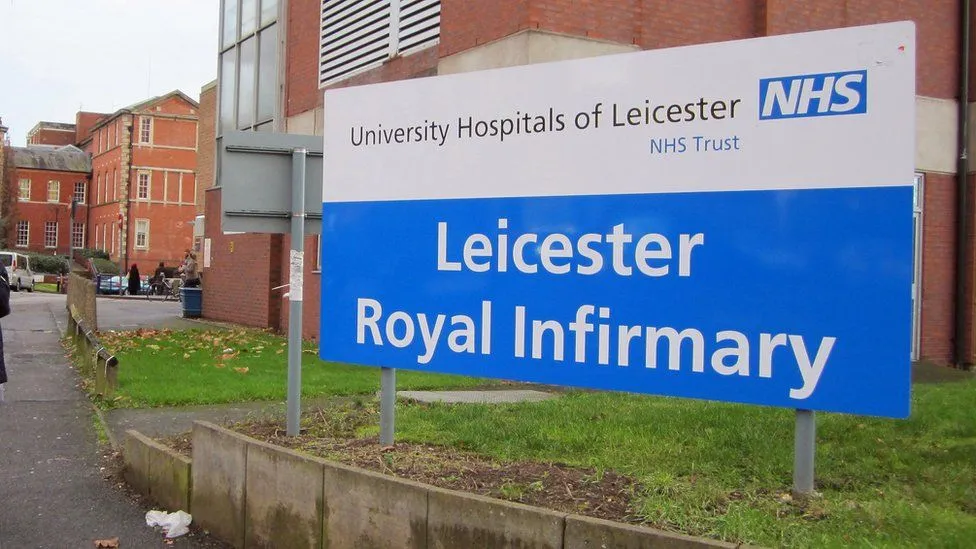
The UK's position isn't an outright ban — it's a quiet verdict delivered through policy. The NHS doesn't fund routine infant circumcision because successive reviews found no medical justification strong enough to warrant removing healthy tissue from a child who cannot consent.
The practical effect — circumcision as a paid, opt-in procedure rather than a routine one — has made Britain one of the lowest-rate countries in the English-speaking world. Where there is no disease to treat, there is nothing to operate on.
AntiCirc's view: funding policy is ethics in disguise. When a national health service declines to pay for cutting healthy children, it is quietly saying the procedure fails the most basic test of medical necessity.
Britain has never outlawed circumcision, yet it has arrived — quietly, through medicine and policy rather than legislation — at one of the lowest circumcision rates in the English-speaking world. Roughly a fifth of British men are circumcised, and the figure falls sharply among younger generations. How the UK got here says a great deal about how a society can turn away from a practice without ever formally banning it.
A procedure the health service won't pay for
The decisive factor is funding. The National Health Service does not pay for routine, non-therapeutic circumcision, because successive clinical reviews have found no medical justification strong enough to warrant removing healthy, functional tissue from a child who cannot consent. Circumcision is offered on the NHS only to treat a genuine problem — conditions such as pathological phimosis or recurrent balanitis that have not responded to conservative care — and only once less drastic options have been exhausted.
The effect is that circumcision in Britain is a private, paid-for, opt-in procedure rather than a routine one. Families who want it for religious or cultural reasons arrange and fund it themselves, often through community practitioners. The medical establishment's posture is one of studied neutrality shading into discouragement: British Medical Association guidance stresses that non-therapeutic circumcision is contested, carries real risks, and demands that the child's interests — for an infant, weighed carefully by both parents — come first.
From the NHS's founding to today
It was not always so. Circumcision was relatively common in early-twentieth-century Britain, including among the middle and upper classes, until the post-war years. When the NHS was founded in 1948 it declined to cover routine circumcision, and influential medical writing around that time questioning the practice's justification helped accelerate its decline. Within a generation the rate collapsed. What had once been ordinary became unusual — a reversal driven not by prohibition but by the steady withdrawal of medical endorsement and public money.
The law begins to catch up
More recently the legal system has started to engage. New Crown Prosecution Service guidance now addresses male circumcision for the first time, noting that while the procedure remains legal, it "can cross the line into a harmful practice" when carried out by unqualified people or in unsafe conditions — in which case child-cruelty or assault offences may apply. An earlier draft that went further, framing it alongside child abuse, was softened after objections from religious groups. The direction of travel is nonetheless unmistakable: British institutions increasingly treat the cutting of healthy boys as a child-protection question, not a private nicety.
Our view
We read Britain's position as ethics in disguise. A health service that withholds public money from cutting healthy children is making a moral judgement and calling it a clinical one — that the procedure fails the most basic test of medical necessity. The UK shows a country does not need a ban to protect children's bodily autonomy. It needs only to stop pretending that removing a healthy body part from a non-consenting infant is ordinary medicine.