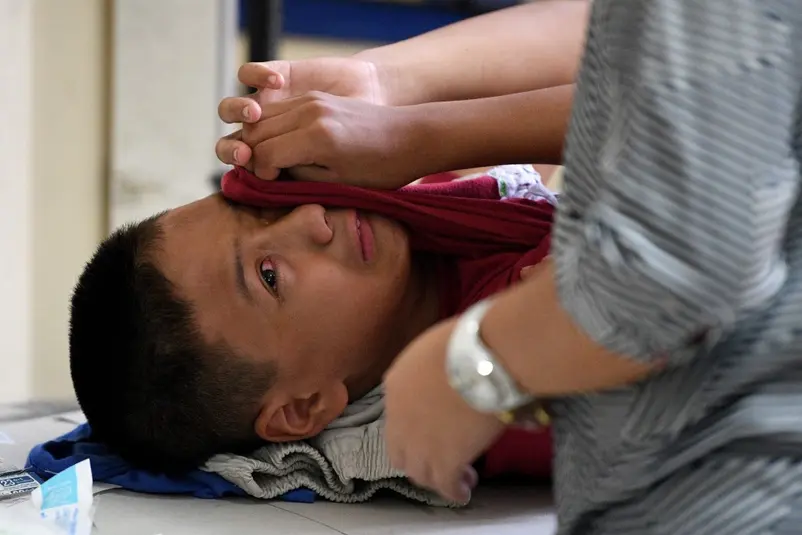
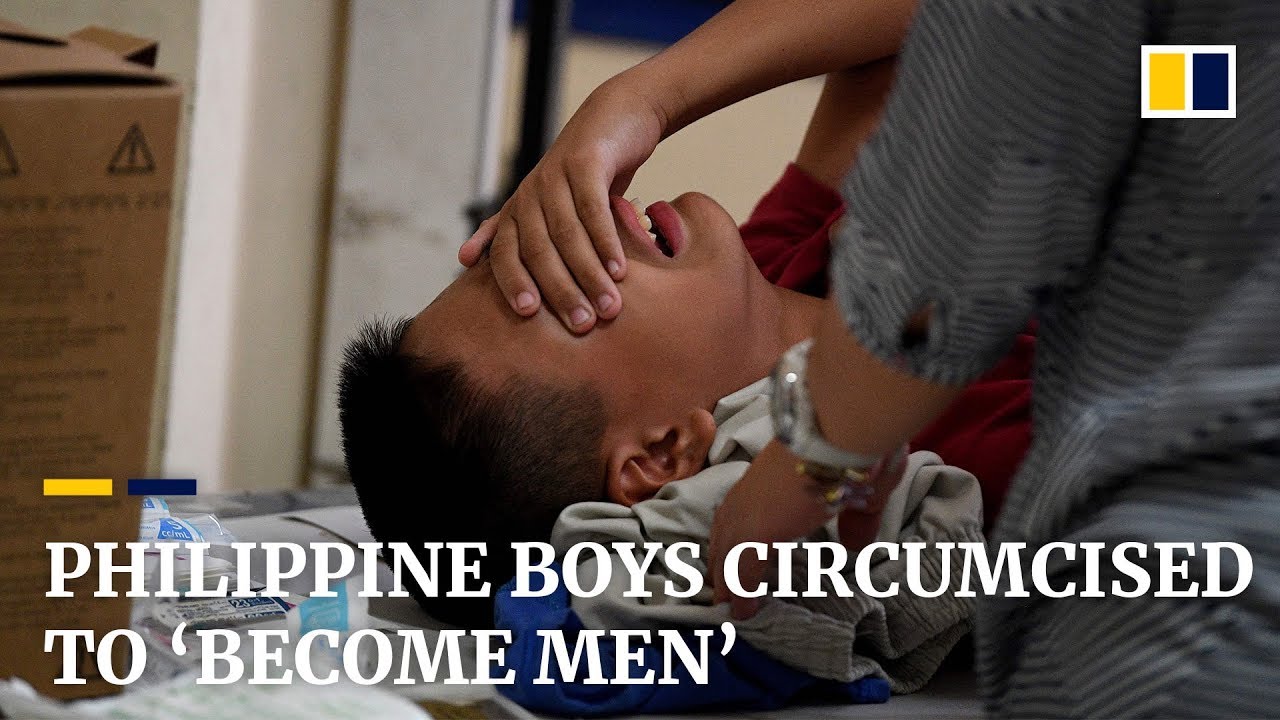
"Tuli" is woven into Filipino boyhood — a rite of passage as much as a procedure, often performed in groups during the summer break. We approach it with respect for the culture and clear eyes about the practice.
Tradition explains why something is done; it doesn't settle whether it should be. The Philippines has one of the highest circumcision rates on earth, frequently carried out without anaesthesia and under peer pressure rather than any medical indication.
AntiCirc's view: a boy shouldn't have to choose between bodily autonomy and belonging. The most respectful future for Tuli is one a young man can opt into when he's old enough to understand it — not a cut imposed on a child to spare him the taunt of "supot."
In the Philippines, "tuli" is woven into boyhood — less a medical procedure than a rite of passage, a near-universal marker of the transition from child to man. More than nine in ten Filipino men are circumcised, one of the highest rates anywhere on earth. Yet the practice is, increasingly, being questioned in the country that performs it most.
A summer ritual
Tuli is most often carried out on boys around the ages of nine to thirteen, frequently in groups during the long summer break before secondary school. In its traditional form — sometimes called "pukpok" — it is performed outside a clinical setting, by a local practitioner rather than a surgeon, and commonly without anaesthesia. The experience is social as much as surgical: boys go together, and the rite is bound up with proving one's readiness for manhood.
The weight of "supot"
What drives the near-total uptake is not religion. The Philippines is overwhelmingly Roman Catholic, a faith that does not require circumcision, and the practice sits outside any doctrinal mandate. It is social pressure that does the work. An uncircumcised boy risks being branded "supot" — a taunt that questions his maturity and masculinity — and the fear of that label coerces consent as effectively as any rule. A "choice" made to avoid ridicule, by a child, under the eyes of his peers, is not a free one.
Health questions under the surface
The cultural confidence in tuli has tended to outrun scrutiny of its effects. Carried out without anaesthesia and often outside sterile conditions, it carries the familiar surgical risks of bleeding, infection and delayed healing. Researchers have also begun to examine the psychological toll: a cohort study in the forensic-medicine literature reported a strikingly high rate of post-traumatic stress symptoms among Filipino boys who had undergone the procedure. We report that as one study's finding rather than a settled fact — but it is a pointed reminder that "everyone does it" is not the same as "it does no harm."
A tradition reconsidered
None of this is an attack on Filipino culture. Filipino voices themselves — including commentators writing in outlets such as Radar — are among those arguing that tuli should be a choice rather than a requirement for manhood. The question being raised at home is whether a meaningful rite of passage really requires cutting a child who cannot meaningfully refuse.
Our view
We approach tuli with respect for the culture and clear eyes about the practice. A boy should not have to choose between bodily autonomy and belonging. The most respectful future for the tradition is one a young man can opt into when he is old enough to understand it — preserving its meaning while removing the coercion — rather than a cut imposed on a child to spare him an insult.