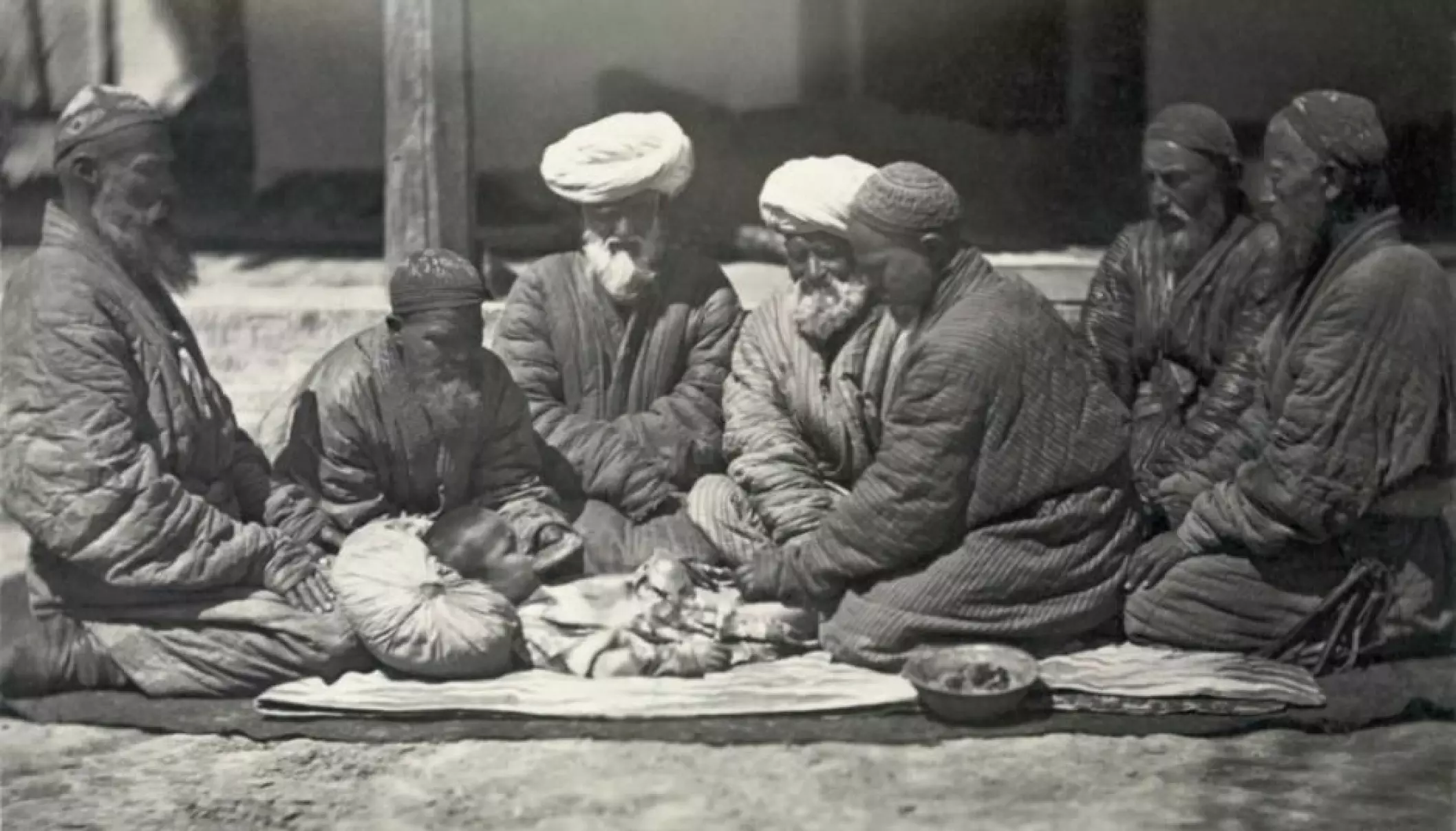
Meatal stenosis — a narrowing of the urinary opening — is a recognised complication of circumcision, and this Danish reporting highlights how often it's left out of the "low-risk" framing of the procedure.
When the foreskin no longer shields the glans, chronic irritation can scar and narrow the meatus, sometimes requiring further surgery to correct. It can surface years after the original operation.
AntiCirc's view: circumcision is routinely sold as a one-time, complication-free operation. It isn't. An honest consent conversation has to put downstream harms like meatal stenosis on the table.
Circumcision is routinely described to parents as a quick, low-risk, one-and-done procedure. Danish reporting carried by ScienceNordic draws attention to a complication that rarely survives into that reassurance: meatal stenosis, a narrowing of the urethral opening that can develop in the months and years after the foreskin is removed.
How it happens
In the intact penis, the foreskin shields the glans and the delicate tissue around the urethral opening. Once that protection is gone, the exposed meatus is more vulnerable to chronic irritation — from friction, from contact with urine and, in infants, from ammoniacal nappy dermatitis. Over time this irritation can inflame and scar the opening, narrowing it. The result is a urinary stream that becomes thin, deflected or difficult, sometimes with discomfort on passing urine.
A complication that arrives late
Part of what makes meatal stenosis significant is its timing. It is overwhelmingly a condition of circumcised boys, and it frequently appears long after the original procedure — months or years later, well after the consent conversation is over and any memory of weighing risks has faded. When it is troublesome it is typically corrected with a further minor operation (a meatotomy or meatoplasty) to open the narrowed meatus. Estimates of how often it occurs vary widely between studies and definitions, which is itself telling: a complication that is hard to pin down is easy to leave out of the sales pitch.
The "low-risk" framing problem
Meatal stenosis is not the most common outcome of circumcision, and we are not suggesting it is inevitable. The point is narrower and fairer: it is a recognised, documented consequence that the standard "safe and simple" framing omits. Alongside the immediate risks every surgery carries — bleeding, infection, healing problems — it belongs in any honest account of what removing a healthy foreskin can cost a child down the line.
Our view
"Low-risk and complication-free" does not survive contact with the evidence. Parents weighing a non-therapeutic procedure on a healthy infant deserve the complete picture — including the harms, like meatal stenosis, that only declare themselves years after the decision has been made on the child's behalf.